社交困难与同伴交往Social Communication and Friendships

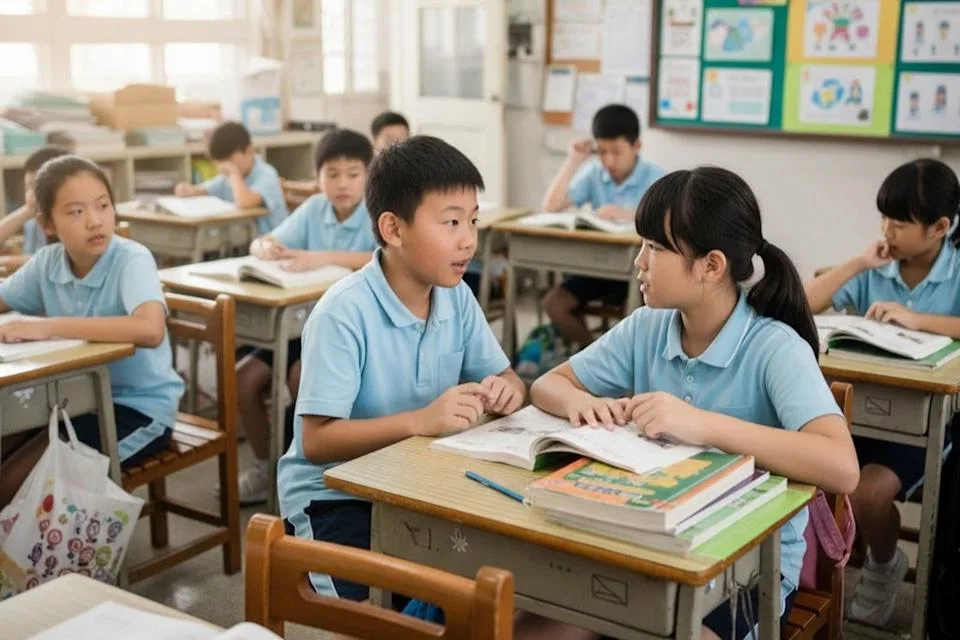
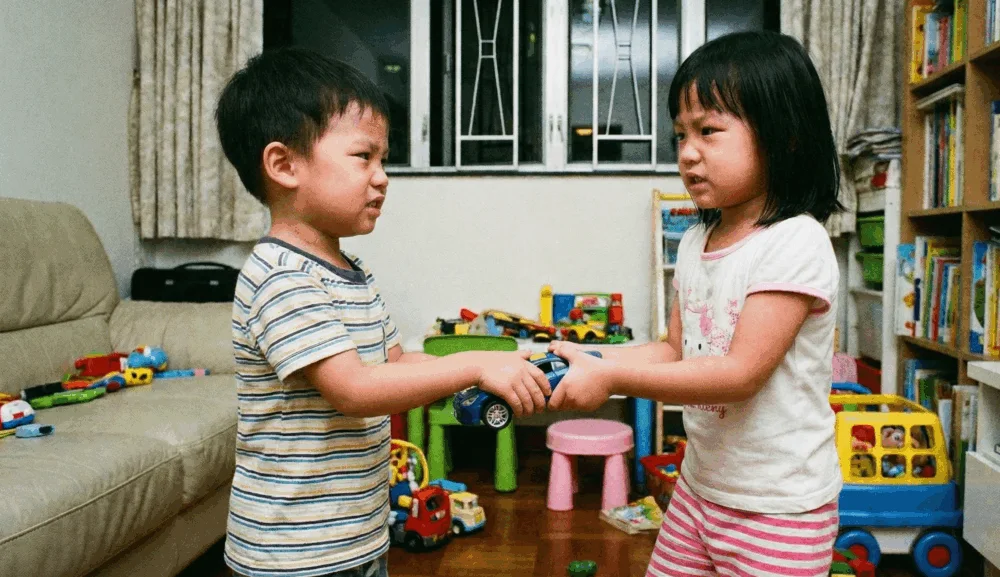
社交沟通包括和人打招呼、听懂对方的意思、轮流交谈,以及出现分歧时说出自己的想法。这里关注孩子想参与却遇到的困难,也看同伴有没有给他加入的机会。Social communication includes starting an exchange, understanding another person, taking turns and expressing a different view. We look at situations a child wants to join and whether other people make room for them. 参考 ASHASource: ASHA

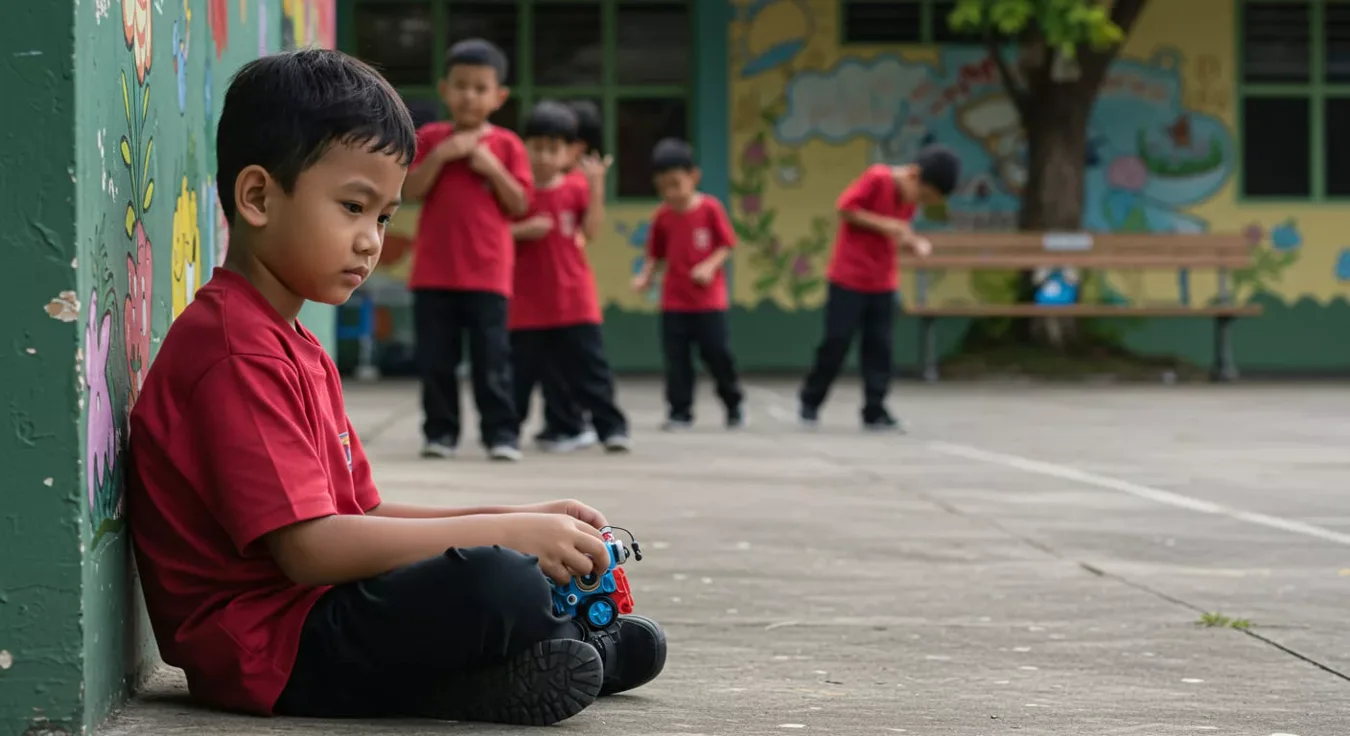
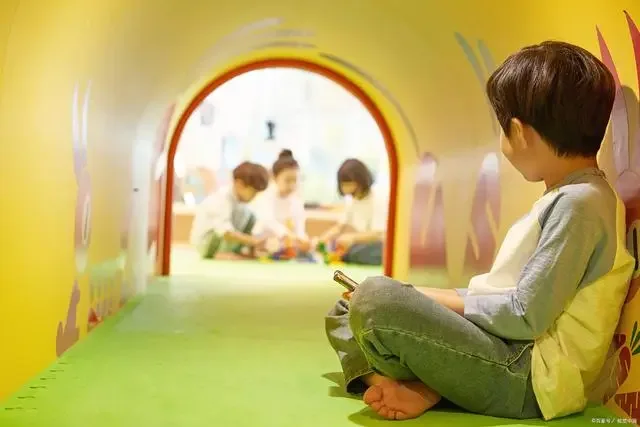
孩子坐在游戏通道一侧,望向另一端围坐的同伴。

经典表现Common signs

康葆之家的多学科支持方式K&B Home multidisciplinary support

围绕主动加入、轮流协商、情绪理解与对话互动,安排真实同伴练习。Children practise joining in, taking turns, understanding feelings and keeping a conversation going with peers.

选择专业或协作团队,查看支持内容Select a team member to read about their role
社交困难Social communication同伴交往Peer interaction

点选成员可查看职责。虚线表示按需参与。Select a member to explore their role. Dashed lines show support provided as needed.

行为与学习Behavior & Learning

社交技能拆解、自然情境练习与行为支持。Social skill analysis, naturalistic practice and behavioral support.

言语与语言(按需)Speech & Language (as needed)

会话接续、理解他人表达、叙事与语用沟通。Conversation, understanding others, narrative and pragmatic communication.

同伴互动练习Peer interaction

在小组游戏中练习加入、轮流、协商与处理分歧。Practise joining, turn-taking, negotiation and resolving disagreements in group play.

专家督导Specialist supervision

整合评估信息、确定目标、复核教学记录并调整支持。Bring assessment information together, set goals, review teaching records and adjust support.

家庭与学校协作Family and school partnership

家庭与学校:将小组中练习的技能延伸到家庭游戏、课间和日常同伴交往。Family and school: extend skills practised in groups to family play, break times and everyday peer interactions.

中心已开展 ABA、ST、OT 和 PT。团队根据孩子的评估结果,与家长商定参与的专业和教学安排。The centre offers ABA, ST, OT and PT. The team and family use the assessment findings to agree on the disciplines involved and the teaching plan.

我们怎么教学How we teach

  1. 初步评估Assessment

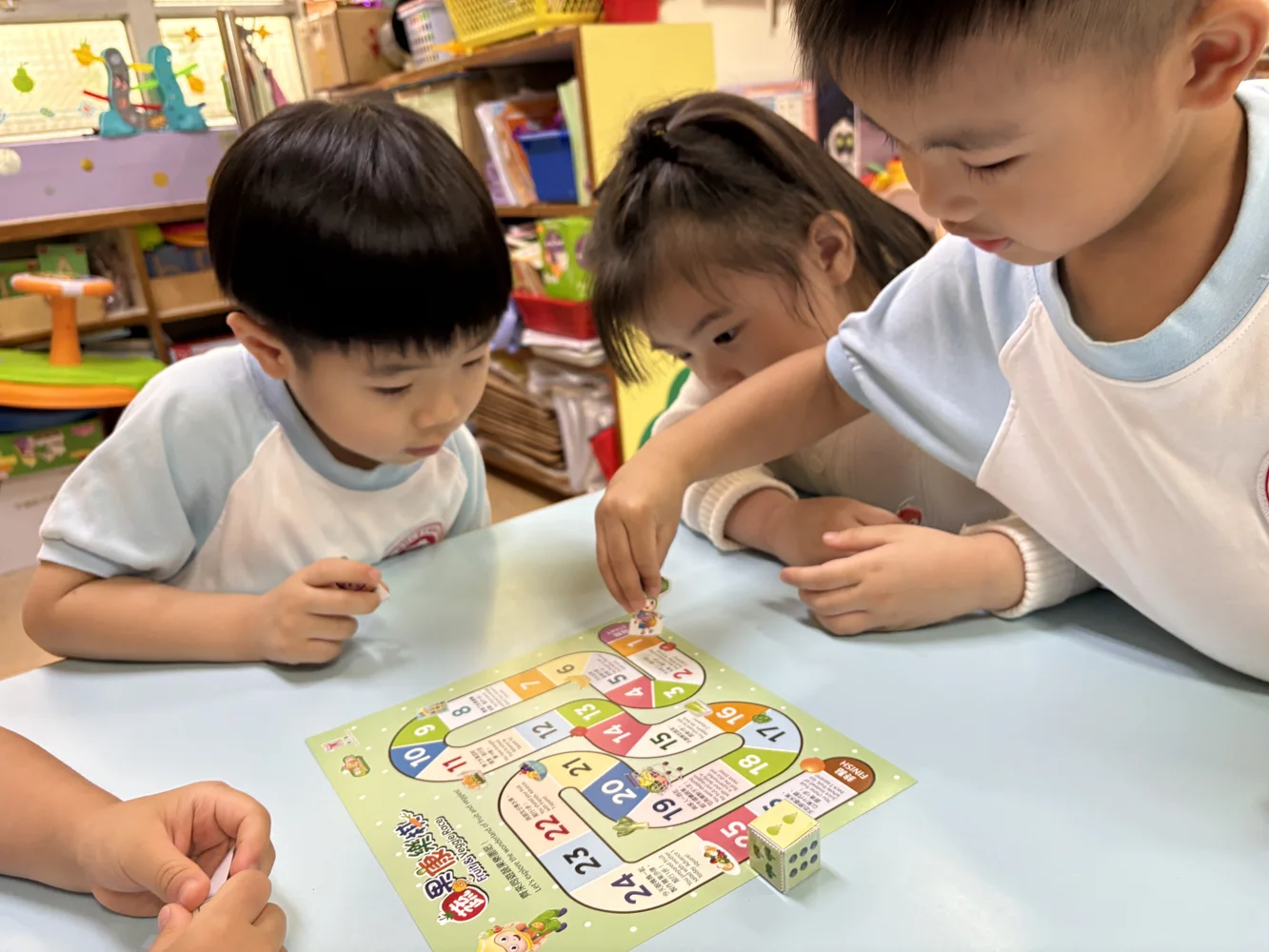
    观察一次桌游Observe a board game

  2. 制定个别化教育计划Individualized education plan

    等待同伴轮次Waiting for a peer’s turn

  3. 教学与记录Teach and record

    记录等待轮次Record turns waited for

  4. 督导调整Supervisor review

    调整轮次提示Adapt turn-taking cues

  5. 重新评估Reassessment

    换个伙伴再玩Play with a different peer

根据复评更新个别化教育计划(IEP)Use reassessment to update the individualized education plan (IEP)

常见问题Common questions

不爱社交就需要训练吗?Does a child who prefers less social contact need training?

不一定。交往偏好存在差异,先看孩子是否想参与、是否受到困难影响,以及环境有没有提供合适机会。Not necessarily. Social preferences vary. First consider whether the child wants to take part, whether difficulties are getting in the way and whether suitable opportunities are available.

说话很多,就一定擅长交流吗?Does talking a lot mean interaction is easy?

互动还需要理解对方、来回回应、调整话题和修复误会。关注交流是否有效,比只数说了多少更有帮助。Interaction also involves understanding others, responding, changing topics and repairing misunderstandings.

社交课就是学会轮流等待吗?Is a social group mainly about taking turns and waiting?

轮流只是其中一部分,还要关注沟通意愿、理解别人、表达边界、共同兴趣与解决误会。Turn-taking is one part. Willingness to communicate, understanding others, expressing boundaries, shared interests and repairing misunderstandings also matter.

还不太会说话,可以参加共同活动吗?Can a child with limited speech join shared activities?

可以先了解手势、图片或其他表达方式,并匹配活动和伙伴。是否适合某个小组,需要结合实际支持需要。Consider gestures, pictures or other communication and match the activity and peers. Group fit depends on support needs.

学会一句话,怎样用到生活里?How can a learned phrase become useful in daily life?

把同一意图带到不同伙伴和活动中,根据需要调整提示,记录是否更主动、是否真的帮助交流。Practice the same purpose with different partners and activities, adjusting prompts and observing meaningful use.
家长观察工具Family observation tool

孩子怎样加入、继续或结束一次同伴游戏?How does my child join, continue or leave peer play?

同伴游戏来回记录表Peer play turn-taking notes

预约咨询Arrange a consultation

可以告诉我们孩子的年龄、最近遇到的一件事,以及家里最想先解决的问题。Tell us your child’s age, something that happened recently and the question you would most like to discuss.

康葆之家K&B Home