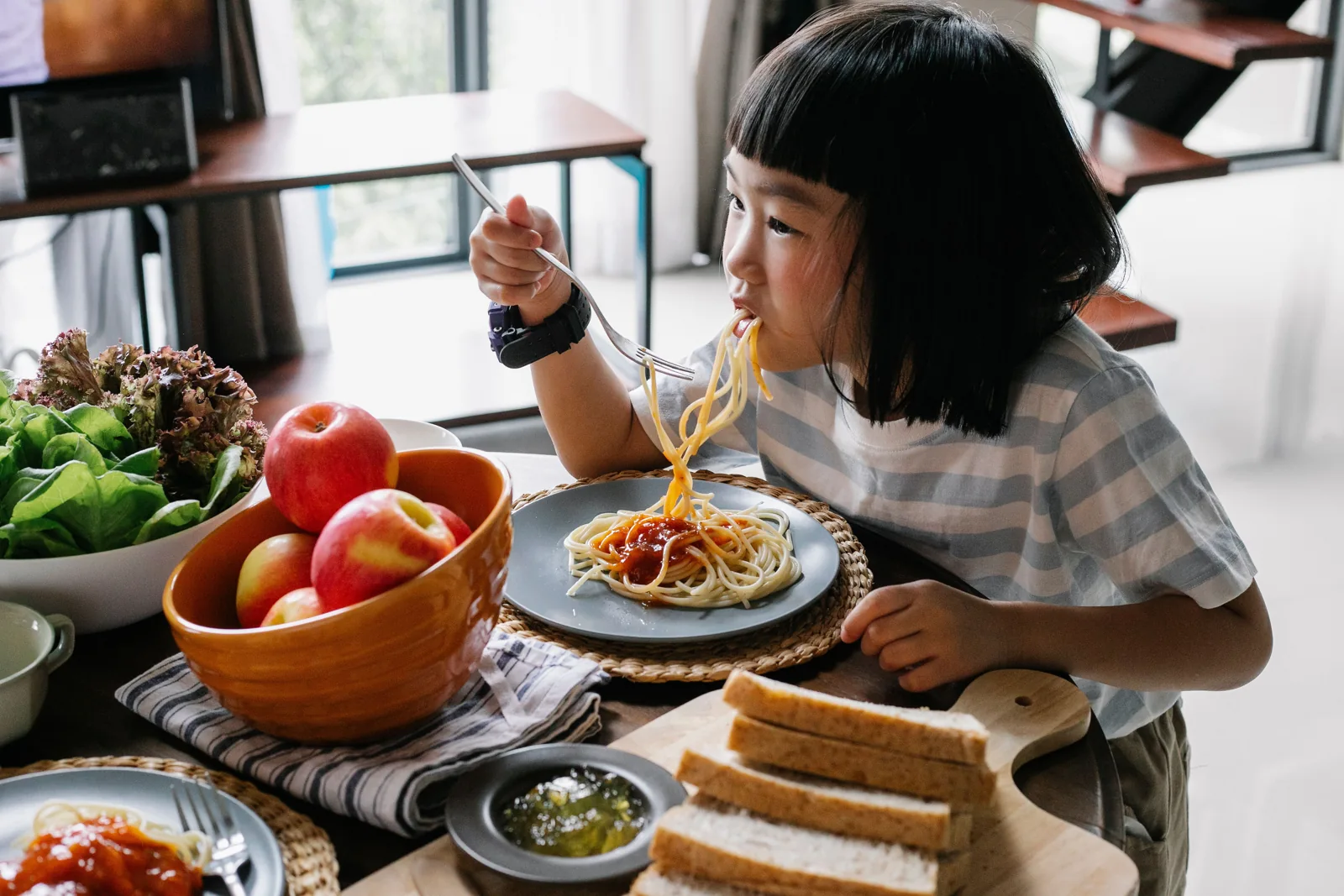
进餐Meals
能自己握勺吗?舀起食物时,碗会不会跟着滑走?Can your child grasp the spoon? Does the bowl slide when they try to scoop?
多学科干预 · 日常活动与参与Multidisciplinary Support · Daily Activities and Participation
作业治疗(OT)中的「作业」指对孩子有意义的日常活动,例如穿衣、游戏、书写和课堂参与。评估会同时看孩子、任务和环境。In OT, “occupation” means meaningful everyday activities such as dressing, playing, writing, and participating in class. Assessment considers the child, activity, and environment together.
选择孩子的年龄,查看对应的表现、评估与支持。Choose an age to explore difficulties, assessment and support.
能自己握勺吗?舀起食物时,碗会不会跟着滑走?Can your child grasp the spoon? Does the bowl slide when they try to scoop?
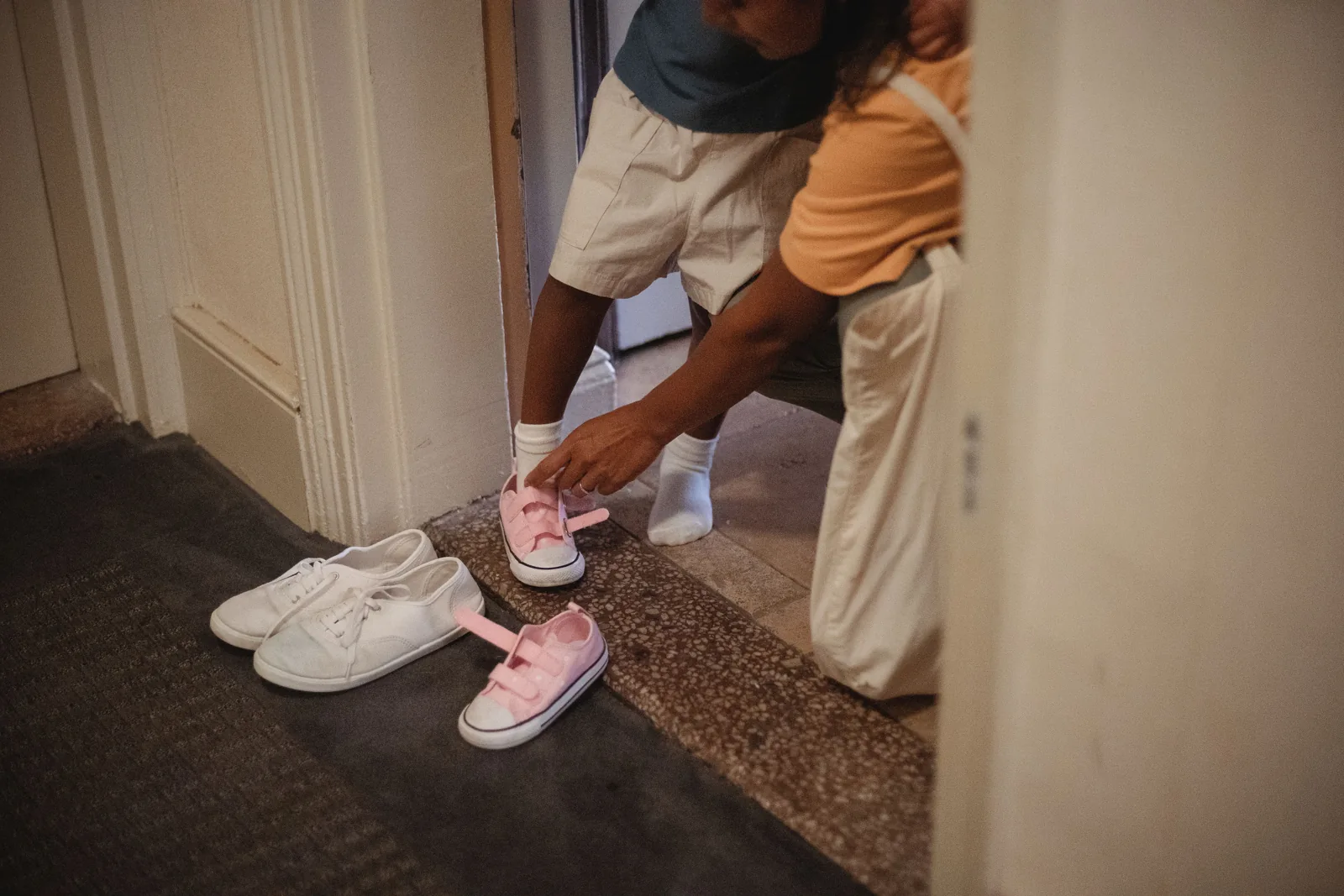
一手扶衣角、一手拉拉链时,哪一步要大人帮忙?Which step needs help when one hand holds the coat and the other pulls the zip?

能说出答案,写几行就手累吗?换纸张或工具后怎样?Can your child say the answer but tire after writing a few lines? What changes with different paper or tools?
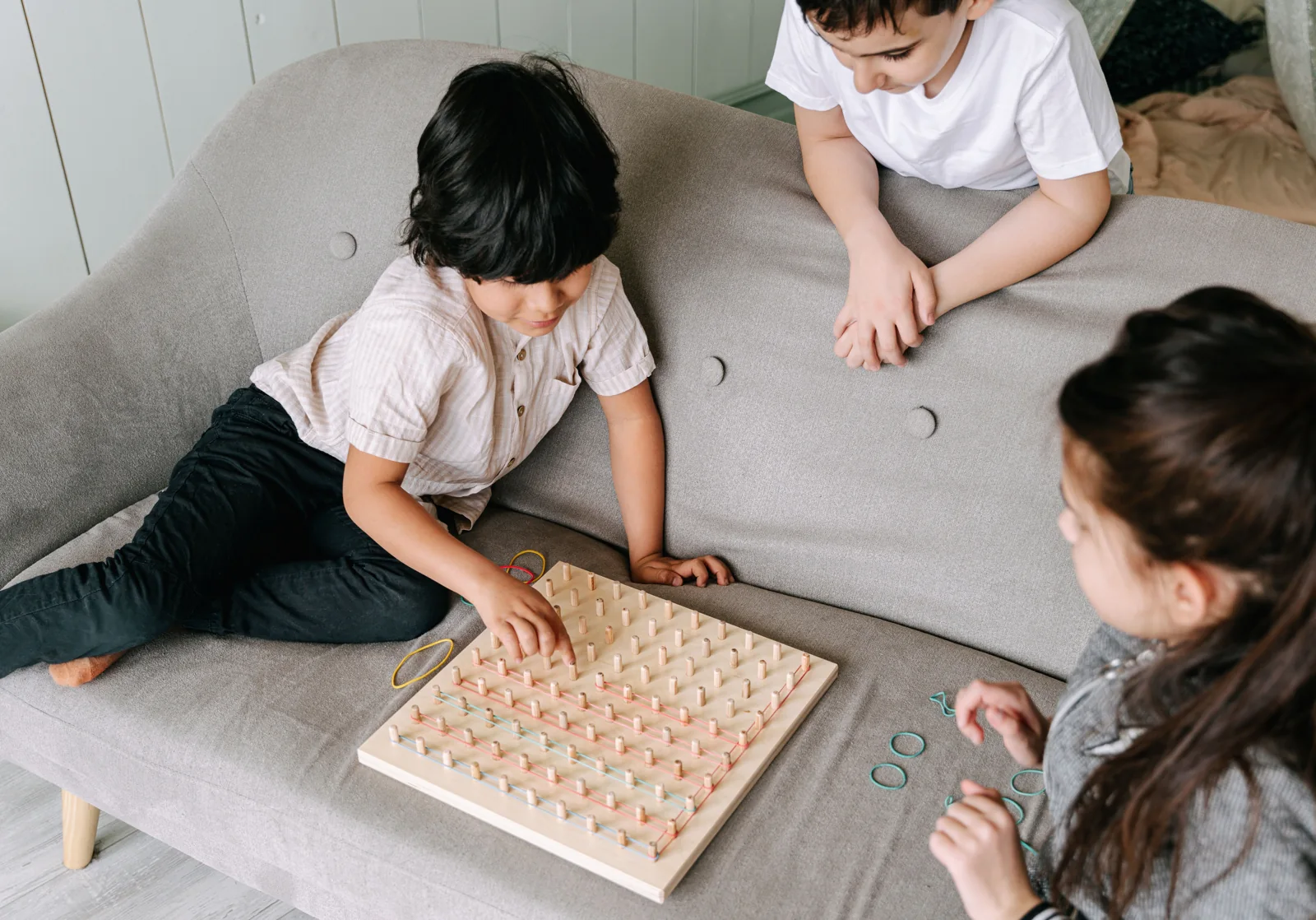
剪纸时,拿剪刀的手和转动纸张的手能配合吗?While cutting paper, can one hand use the scissors while the other turns the sheet?
动作、感知、理解与耐受。Movement, sensory processing, understanding and tolerance.
步骤、工具、姿势、噪声与时间要求。Steps, tools, posture, noise and time demands.
结合孩子实际用的餐具、文具或衣物,讨论可以怎样调整动作和环境。Using the child's everyday utensils, stationery or clothing, the team considers changes to movement or the environment.
选一件每天都会做的事,例如吃饭、穿衣或书写,说说孩子自己能做到哪一步。Choose one everyday task, such as eating, dressing or writing, and tell us what your child can already do.