孤独症(自闭症)Autism

孤独症,也叫自闭症,是一种神经发育障碍。孩子在与人交流、来回互动时可能持续遇到困难,也可能有反复做的动作、特别专注的兴趣,或很难适应改变。Autism is a neurodevelopmental condition. An autistic child may have lasting difficulties with social communication and interaction, repeat certain actions, focus intensely on particular interests or find changes especially hard. 参考 WHOSource: WHO

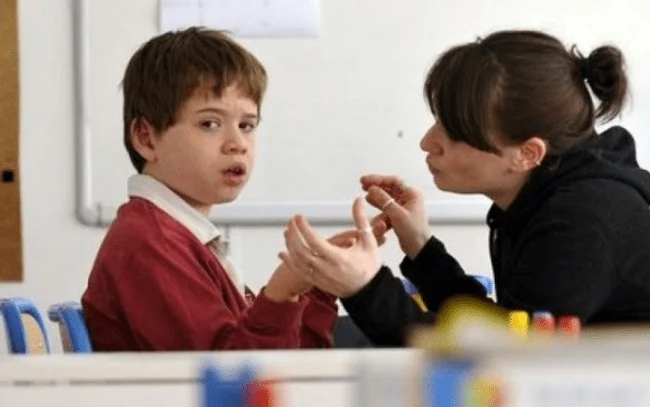
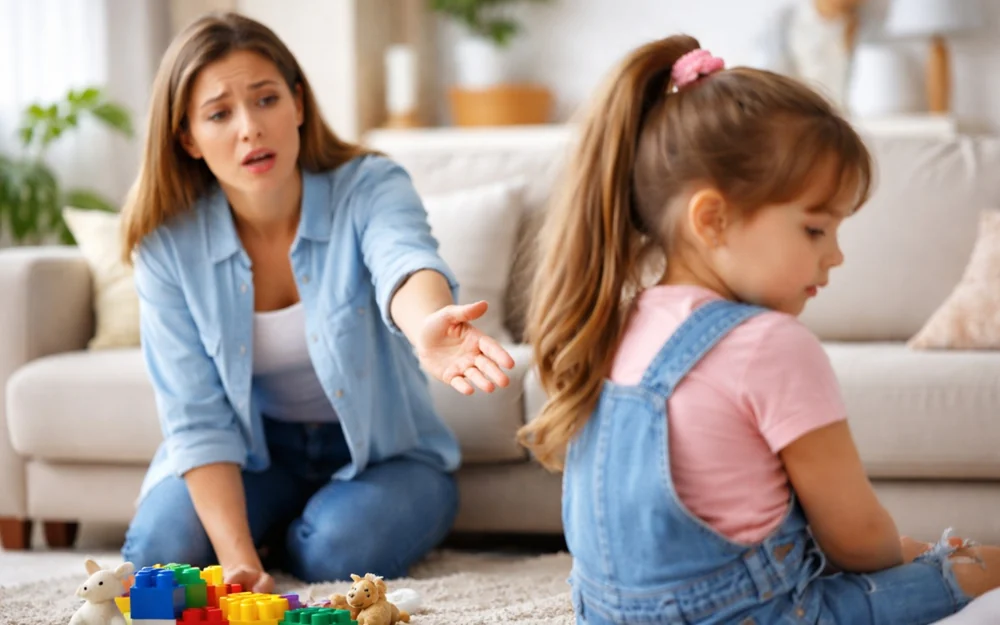
成人伸手与孩子互动,孩子侧身看向另一边。

经典表现Common signs

康葆之家的多学科支持方式K&B Home multidisciplinary support

围绕沟通、共同互动与日常适应,组合不同专业的支持。The team combines support for communication, shared activities and everyday routines.

选择专业或协作团队,查看支持内容Select a team member to read about their role
孤独症Autism沟通与互动Connecting with others

点选成员可查看职责。虚线表示按需参与。Select a member to explore their role. Dashed lines show support provided as needed.

行为与学习Behavior & Learning

功能性沟通、学习技能、社交互动与适应能力。Functional communication, learning, social interaction and adaptive skills.

言语与语言Speech & Language

语言理解、主动表达、沟通方式与对话互动。Language understanding, spontaneous expression and communication.

作业治疗Occupational Therapy

日常生活技能、精细动作及活动参与。Daily living skills, fine motor abilities and participation.

物理治疗(按需)Physical Therapy (as needed)

如有姿势、平衡或移动需要,再纳入评估与支持。Consider posture, balance or mobility needs when relevant.

专家督导Specialist supervision

整合评估信息、确定目标、复核教学记录并调整支持。Bring assessment information together, set goals, review teaching records and adjust support.

家庭与学校协作Family and school partnership

家庭与学校:围绕共同目标,在家中、课堂和同伴活动中持续回应与泛化。Family and school: use shared goals and consistent responses at home, in class and during peer activities, supporting generalization.
中心已开展 ABA、ST、OT 和 PT。团队根据孩子的评估结果,与家长商定参与的专业和教学安排。The centre offers ABA, ST, OT and PT. The team and family use the assessment findings to agree on the disciplines involved and the teaching plan.

我们怎么教学How we teach

  1. 初步评估Assessment

    观察怎样请求Observe requests

  2. 制定个别化教育计划Individualized education plan

    主动表达“还要”Asking for another turn

  3. 教学与记录Teach and record

    记录主动表达Record spontaneous requests

  4. 督导调整Supervisor review

    调整等待时间Adjust waiting time

  5. 重新评估Reassessment

    换个玩具再试Try a different toy

根据复评更新个别化教育计划(IEP)Use reassessment to update the individualized education plan (IEP)

常见问题Common questions

孤独症与性格内向有什么不同?How does autism differ from being quiet or reserved?

孤独症涉及发展中的沟通互动特点,以及重复、局限的行为兴趣等。内向、话少或一次不回应,都不足以判断诊断。Autism involves developmental patterns in communication, interaction and restricted or repetitive behavior. Being quiet or not responding once is not enough for a diagnosis.

不会说话,能先获得支持吗?Can a child receive support before they can speak?

可以。先了解孩子现有的手势、声音或其他表达方式,再选择合适的沟通支持;不把开口说话设为参与的前提。Yes. First understand existing gestures, sounds or other ways of expressing needs, then choose suitable communication support. Spoken words are not a prerequisite.

会背很多内容,还需要了解什么?What if a child can recite a lot?

还要看能否主动表达需要、回应他人,以及在不同情境运用已有语言。记住内容与灵活交流需要分别观察。Also explore expressing needs, responding to others and using language in different situations. Recall and flexible communication need separate observation.

是否需要把所有评估做一遍?Does every child need every assessment?

不需要。根据家庭关注点、年龄和已有资料选工具;量表结果要与实际生活表现一起理解。No. Choose tools based on family concerns, age and existing information. Interpret scores alongside everyday participation.

是否每个孩子都要上同样的课程?Does every child need the same programme?

根据发展水平、生活需要与评估资料组合支持。共同诊断不代表共同目标,也不表示需要所有专业同时参与。Combine support around development, daily needs and assessment. The same diagnosis does not imply the same goals or every discipline.

家长观察工具Family observation tool

孩子怎样邀请我加入喜欢的活动?How does my child invite me into an activity?

共同活动观察表Shared activity notes

预约咨询Arrange a consultation

可以告诉我们孩子的年龄、最近遇到的一件事,以及家里最想先解决的问题。Tell us your child’s age, something that happened recently and the question you would most like to discuss.

康葆之家K&B Home