在中心会了,到学校为什么用不出来?Why might a learned skill not appear at school?+
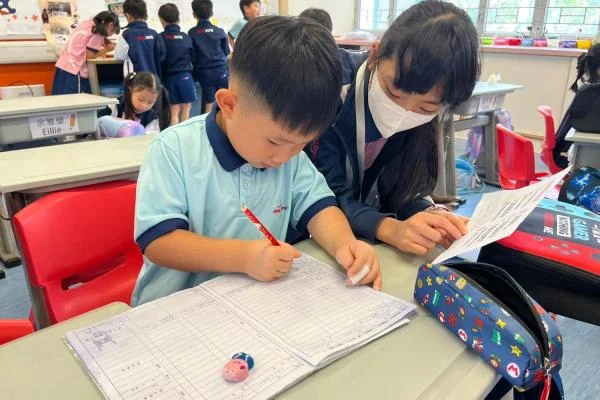
人、材料、语言要求与环境都可能不同。需要找出变化在哪,再把目标和帮助方法带到真实课堂。People, materials, language and surroundings can change. Identify the difference and adapt support to the real classroom.
跟不上班,就是能力不够吗?Does struggling to keep up mean the child lacks ability?+
还要看语言理解、任务难度、环境、情绪和支持方式。课堂表现需要综合了解,不能只用“听不听话”解释。Consider language, task difficulty, surroundings, emotions and support methods. Classroom participation needs a broad view, beyond whether a child follows instructions.
影子老师需要一直跟着吗?Does a shadow teacher need to stay beside the child all the time?+
支持程度应随实际需要调整。先明确独立参与目标,再根据课堂记录逐步减少帮助,不按固定期限撤离。Support should change with actual need. Set independence goals, then gradually reduce help using classroom records, without a fixed deadline for withdrawal.
学校还没同意驻校,可以先讨论吗?Can we discuss support before school access is agreed?+
可以先了解任务与资料,并讨论家庭和中心可开展的准备。到校形式与安排需要和学校、家庭共同沟通。Start with information and preparation at home or the center. Any school-based arrangements need discussion with the school and family.
影子支持会代替课堂老师吗?Does shadow support replace the classroom teacher?+
课堂教学仍由学校组织。支持人员围绕共同目标,帮助理解、参与、沟通和逐步独立。The school leads classroom teaching. Support staff help with understanding, participation, communication and growing independence.