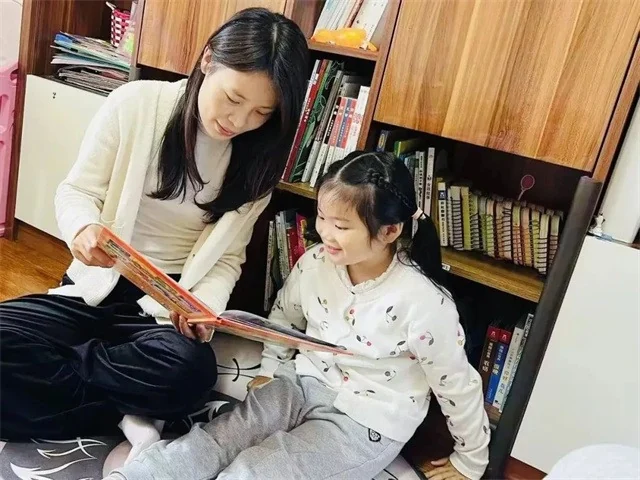
言语是怎样发音、把话说清楚;语言是怎样听懂别人的意思,并用词句表达自己。有的孩子开口较晚、会说的词少,有的能说很长的话,却听不懂别人交代的事。Speech is how we make sounds and speak clearly. Language is how we understand meanings and express ideas in words and sentences. Some children use few words. Others speak in long sentences but have trouble understanding instructions.参考 ASHASource: ASHA ↗
经典表现Common signs
发音清晰度低Reduced speech clarity
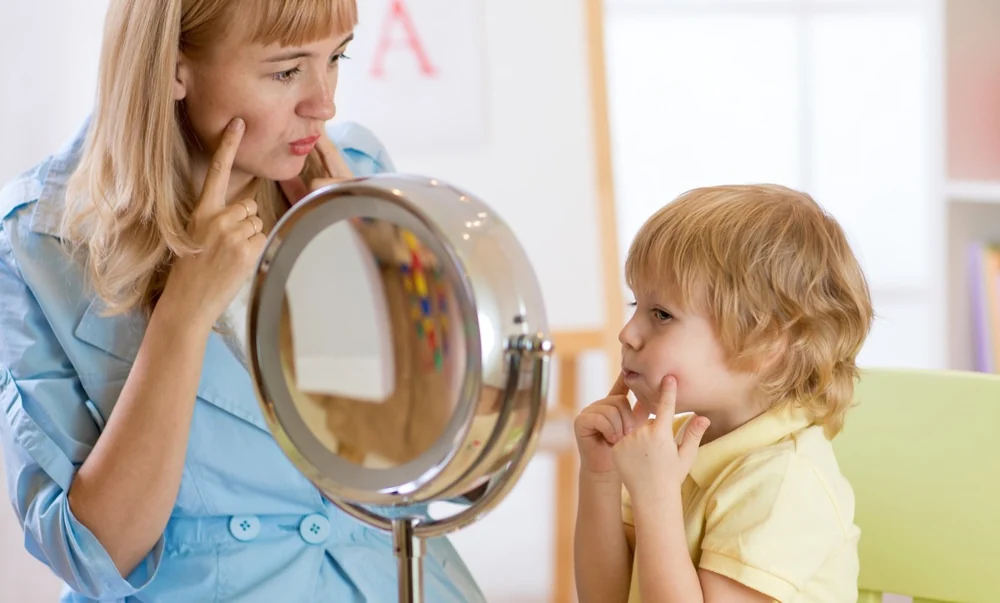
孩子模仿大人的口型发音时,有些音仍听起来很相近,旁人常需要再听一次。Even when copying an adult’s mouth movements, a child may produce sounds that are difficult for a listener to tell apart.
请孩子再说一遍仍听不清时,家长担心反复追问会打断交流。When a word is still unclear after a second try, parents may hesitate to ask again for fear of disrupting the exchange.
口语起始延迟Late first words
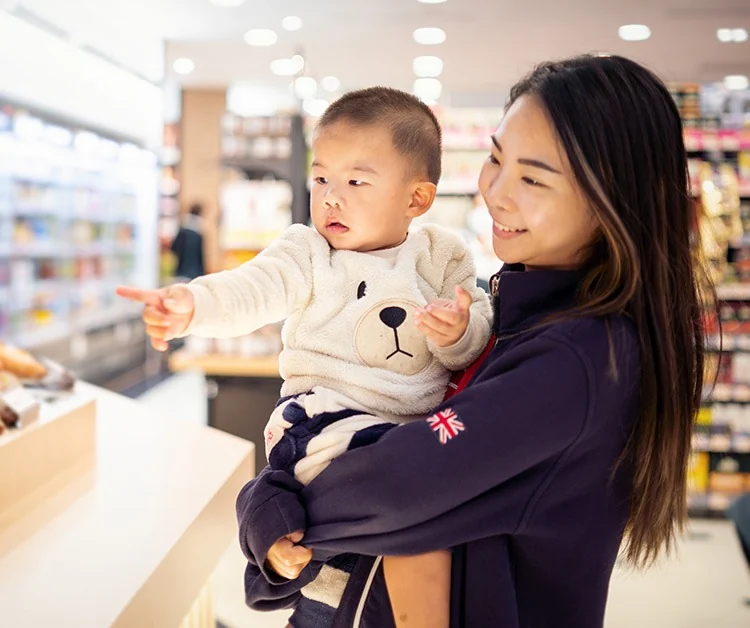
想要某样东西时,孩子常指给家长看,较少同时用词说出自己的需要。When a child wants something, they may point it out to a parent and seldom use a word to ask for it.
孩子指向远处时,家长常要猜他在分享发现,还是想要那样东西。When a child points across the room, a parent may wonder whether they want the item or want to show it to someone.
单词句为主Mainly single words
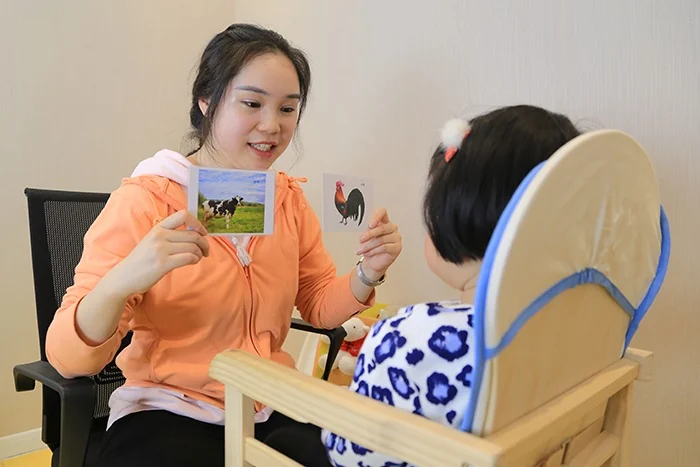
看动物图卡时,孩子会说“牛”,但还很少把词连起来说“牛吃草”。Looking at a picture card, a child may say “cow” but rarely combine words to say “cow eats grass”.
只听到“牛”时,家长很难知道孩子想说牛在哪里、在做什么。Hearing only “cow”, a parent may be unsure whether the child means where the cow is or what it is doing.
叙事组织困难Difficulty retelling events
一起看绘本时,孩子能说出画里有谁,却很难讲清故事里先后发生了什么。When sharing a picture book, a child may name the characters but find it difficult to explain what happened first and next.
问起幼儿园发生了什么,家长常要追问几次才能把事情串起来。When asking about preschool, parents may need several follow-up questions to piece together what happened.
长句理解困难Difficulty understanding longer sentences
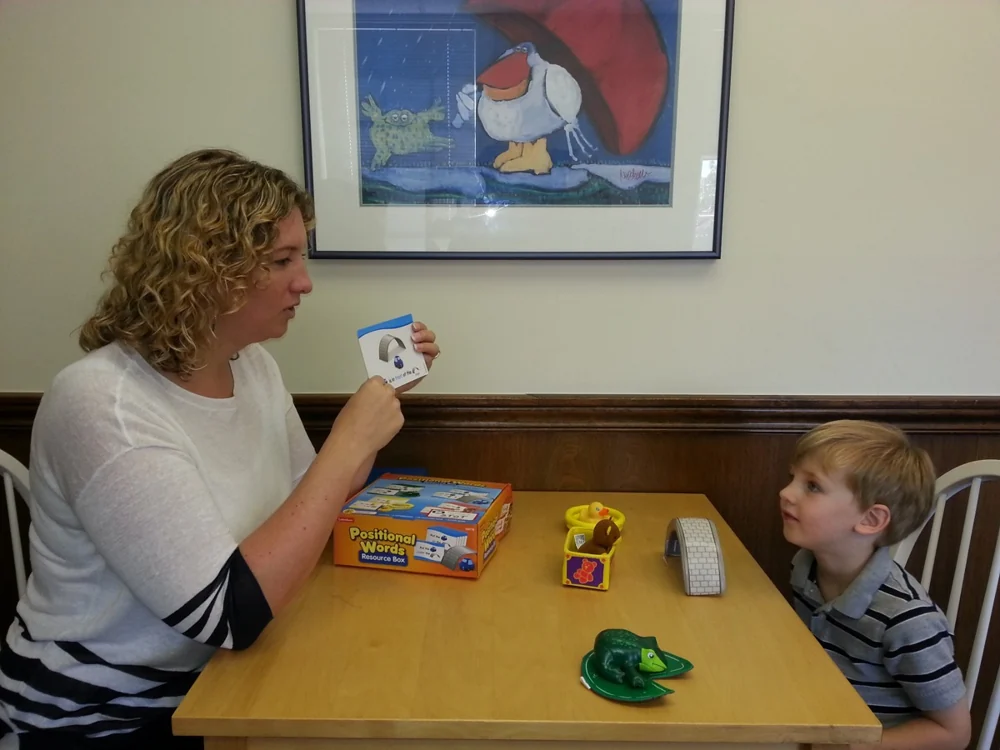
听到“先拿起小青蛙,再放到盒子前面”时,孩子可能只拿起青蛙,随后就停下来。When asked to pick up a toy frog and put it in front of a box, a child may pick it up and then stop.
两步要求只完成了第一步,家长难把握下一次该把指令拆多短。If a child completes only the first of two steps, parents may wonder how short to make the next instruction.
康葆之家的多学科支持方式K&B Home multidisciplinary support
重点区分语言理解、语言表达、构音清晰度与社会沟通需要。The team looks separately at understanding, expression, speech clarity and the use of language with others.
中心已开展 ABA、ST、OT 和 PT。团队根据孩子的评估结果,与家长商定参与的专业和教学安排。The centre offers ABA, ST, OT and PT. The team and family use the assessment findings to agree on the disciplines involved and the teaching plan.
我们怎么教学How we teach
初步评估Assessment
听自然表达Sample everyday speech
制定个别化教育计划Individualized education plan
用两词提要求Making a two-word request
教学与记录Teach and record
记录两词组合Record word combinations
督导调整Supervisor review
调整语言示范Adapt language models
重新评估Reassessment
换情境再表达Try in another situation
根据复评更新个别化教育计划(IEP)Use reassessment to update the individualized education plan (IEP)
常见问题Common questions
发音不清和语言困难一样吗?Are unclear speech and language difficulties the same?+
不完全一样。发音关注声音表达是否清楚;语言还包括理解和组织词句。需结合实际交流分别了解。Not entirely. Speech concerns how clearly sounds are produced. Language also includes understanding and organizing words and sentences. Explore them separately in real communication.
双语环境会造成语言障碍吗?Does growing up with two languages cause a language disorder?+
接触多种语言本身不等于语言障碍。评估应了解每种语言的使用经验,不能只凭单一语言表现下结论。Exposure to several languages is not itself a language disorder. Assessment should consider experience with each language, rather than draw conclusions from one language alone.
手势、图片会让孩子更不愿说话吗?Can gestures or pictures support communication?+
可以根据需要结合手势、图片等方式,帮助表达真实意思。具体形式和语言目标由专业人员与家庭共同讨论。Gestures and pictures can support meaningful expression. The team and family choose suitable methods and language goals together.
已经会说很多词,为什么还要评估?Why assess a child who knows many words?+
词汇数量只是一个方面。需要看理解、主动表达、句子组织以及与他人来回交流的实际使用。Vocabulary is one part. Consider understanding, spontaneous expression, sentence organization and real exchanges.
第一次咨询,需要带什么?What should I bring to the first conversation?+
可以带最近的交流例子、家庭语言情况,以及已有听力或发展资料。自然场景的短记录比只描述“不会说”更具体。Bring recent communication examples, language background and existing hearing or developmental information.
家长观察工具Family observation tool
孩子没说出完整句子时,怎样让我听懂?How does my child get a message across without a full sentence?