发育迟缓Developmental Delay

发育迟缓是指孩子在一个或多个方面,掌握相应能力的时间明显晚于多数同龄孩子。可能涉及说话、理解、动作、社交或日常自理,各方面的发展速度可以不同。Developmental delay means a child reaches milestones in one or more areas significantly later than most children of the same age. Language, understanding, movement, social skills and self-care can develop at different rates. 参考 NHS EnglandSource: NHS England

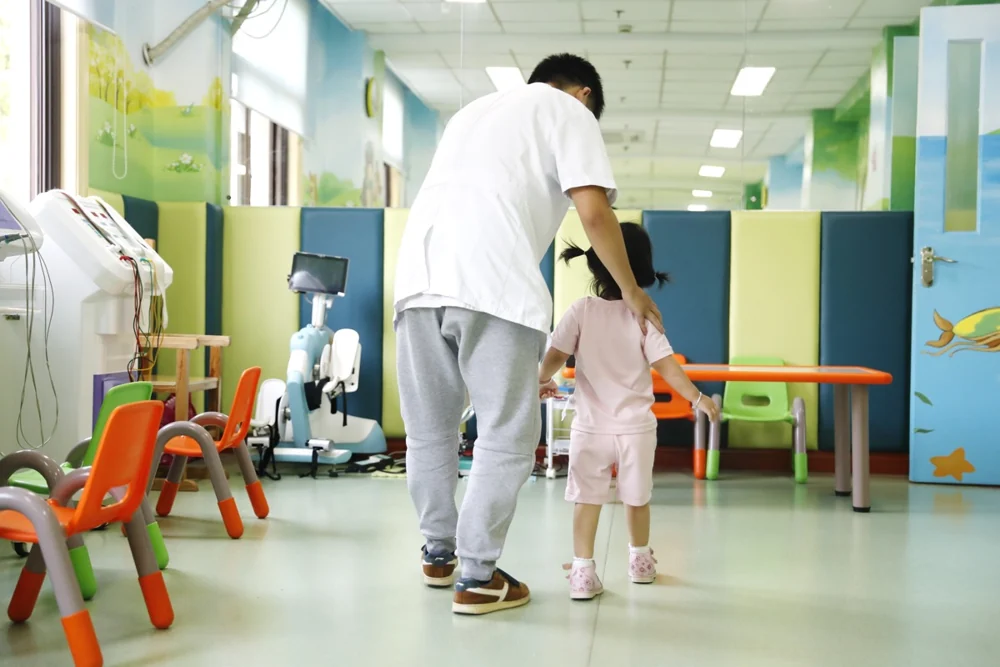
成人扶着孩子在训练室里练习走路。

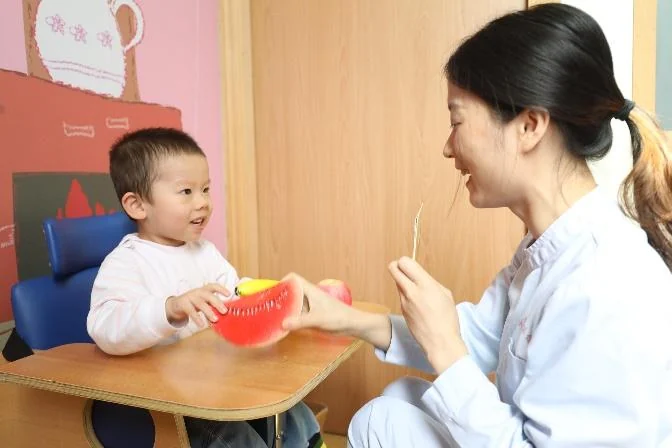
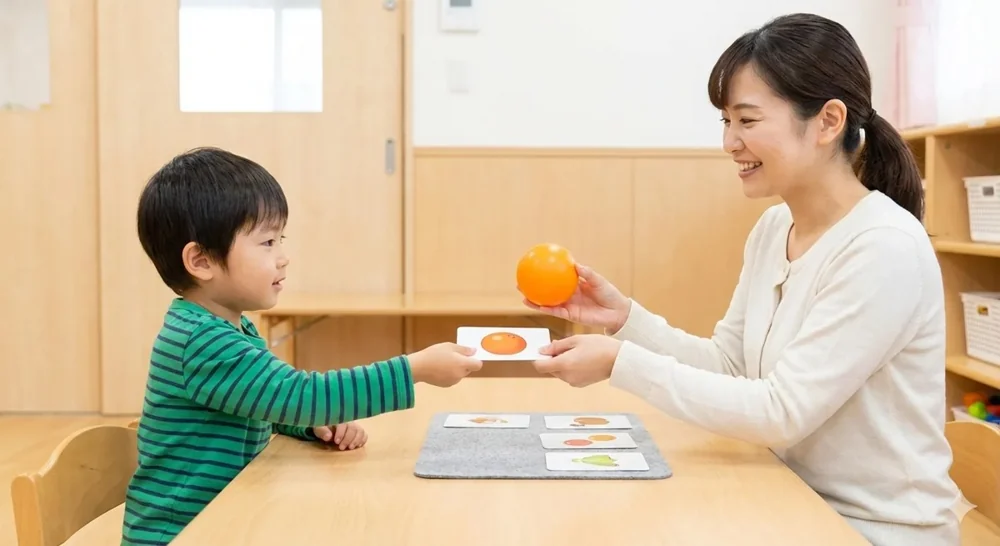
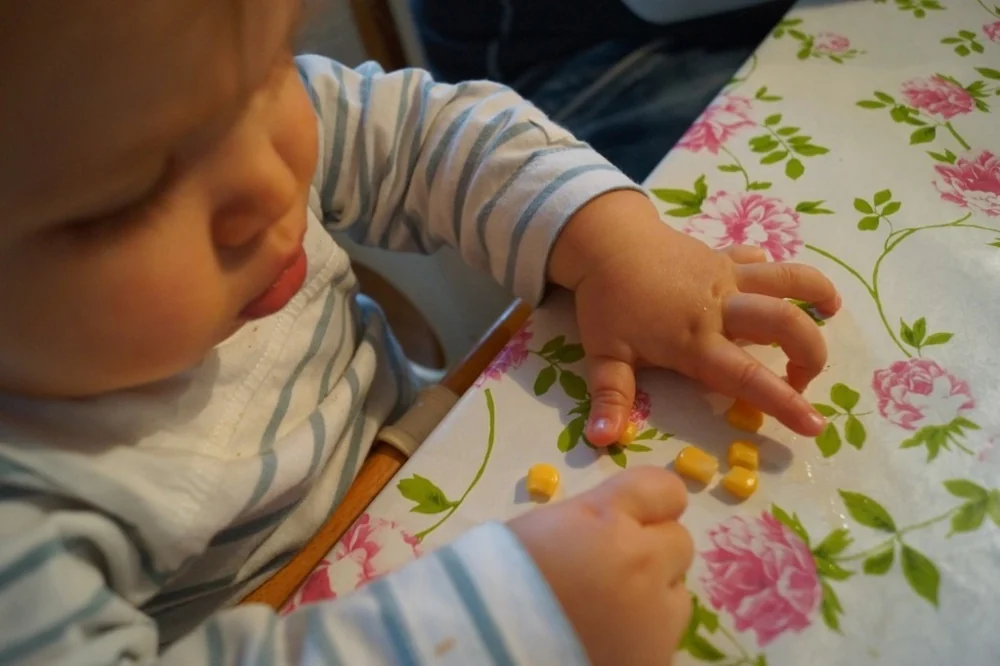
经典表现Common signs

康葆之家的多学科支持方式K&B Home multidisciplinary support

根据各发展领域的实际水平确定优先目标,不把所有领域设成同一套课程。Priorities for communication, movement, play and self-care depend on what the child can already do in each area.

选择专业或协作团队,查看支持内容Select a team member to read about their role
发育迟缓Developmental delay早期发展Early skills

点选图中成员,查看支持内容。Select a member to explore their role.

言语与语言Speech & Language

理解、表达、沟通意图及互动能力。Understanding, expression, communicative intent and interaction.

作业治疗Occupational Therapy

精细动作、游戏操作、进食与日常自理。Fine motor skills, play, feeding and daily self-care.

物理治疗Physical Therapy

姿势控制、平衡、移动与大运动参与。Postural control, balance, mobility and gross-motor participation.

行为与学习Behavior & Learning

模仿、认知学习、任务参与与技能泛化。Imitation, learning, task participation and generalization.

专家督导Specialist supervision

整合评估信息、确定目标、复核教学记录并调整支持。Bring assessment information together, set goals, review teaching records and adjust support.

家庭与学校协作Family and school partnership

家庭与学校:把练习融入吃饭、穿衣、游戏和幼儿园日常,持续观察独立程度。Family and school: practise within meals, dressing, play and preschool routines, and observe growing independence.
中心已开展 ABA、ST、OT 和 PT。团队根据孩子的评估结果,与家长商定参与的专业和教学安排。The centre offers ABA, ST, OT and PT. The team and family use the assessment findings to agree on the disciplines involved and the teaching plan.

我们怎么教学How we teach

  1. 初步评估Assessment

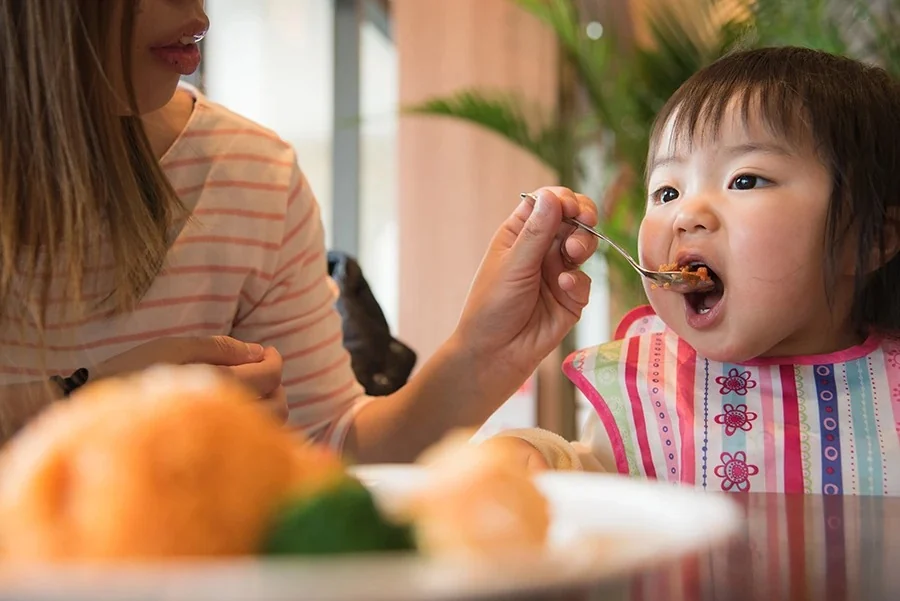
    观察握勺送勺Observe spoon use

  2. 制定个别化教育计划Individualized education plan

    自己送一勺饭Bringing a spoonful to the mouth

  3. 教学与记录Teach and record

    记录独立步骤Record independent steps

  4. 督导调整Supervisor review

    调整勺柄和提示Adapt handle and prompts

  5. 重新评估Reassessment

    回到饭桌观察Review at mealtime

根据复评更新个别化教育计划(IEP)Use reassessment to update the individualized education plan (IEP)

常见问题Common questions

发育迟缓一定是所有方面都落后吗?Must every area be delayed?

不同领域可能呈现不同的发展状态。需要分别了解语言、认知、动作、社交和自理,不能预设全部领域都落后。Areas of development can differ. Explore language, thinking, movement, social participation and self-care separately.

只是发展晚一点,可以等等吗?Can we wait if development seems only a little late?

是否需要进一步评估,要结合多个领域、发展过程和日常影响。已有担忧时可先沟通,不能仅凭“晚一点”判断。The need for further assessment depends on several areas, the developmental history and daily impact. Discuss concerns rather than relying on “a little late” alone.

筛查和进一步评估有什么区别?How do screening and assessment differ?

筛查帮助发现需要关注的领域;进一步评估结合发展过程、观察和适龄工具,解释具体能力与支持需要。Screening highlights concerns. Further assessment uses history, observation and suitable tools to understand abilities and support needs.

该先补哪一项能力?Which skill should come first?

优先讨论影响沟通、生活参与或安全的需要,再结合孩子兴趣和家庭情况安排,避免同时堆叠过多目标。Begin with needs affecting communication, participation or safety, then consider interests and family circumstances. Avoid too many goals at once.

目标很多,家里怎么配合?How can a family manage many possible goals?

先选少量重要目标,放进已有生活节奏。团队应说明怎样帮助、记录什么,再根据孩子的表现调整。Choose a small set of meaningful goals within existing routines. Clarify support methods and what to observe, then adjust.

家长观察工具Family observation tool

孩子最近在哪个熟悉的环节多做了一步?What extra step has my child started doing in a familiar routine?

日常能力变化记录表Everyday skills over time

预约咨询Arrange a consultation

可以告诉我们孩子的年龄、最近遇到的一件事,以及家里最想先解决的问题。Tell us your child’s age, something that happened recently and the question you would most like to discuss.

康葆之家K&B Home