动作与生活自理困难Movement and Self-Care Difficulties

动作与自理涉及移动身体、配合双手,以及穿衣、进餐、洗漱等日常活动。是否需要帮助,要看孩子的年龄、练习机会,以及困难是否影响安全和日常参与。Movement and self-care include getting around, using both hands and managing routines such as dressing, eating and washing. Age, opportunities to practise, safety and the effect on daily life help determine what support is useful. 参考 AOTASource: AOTA

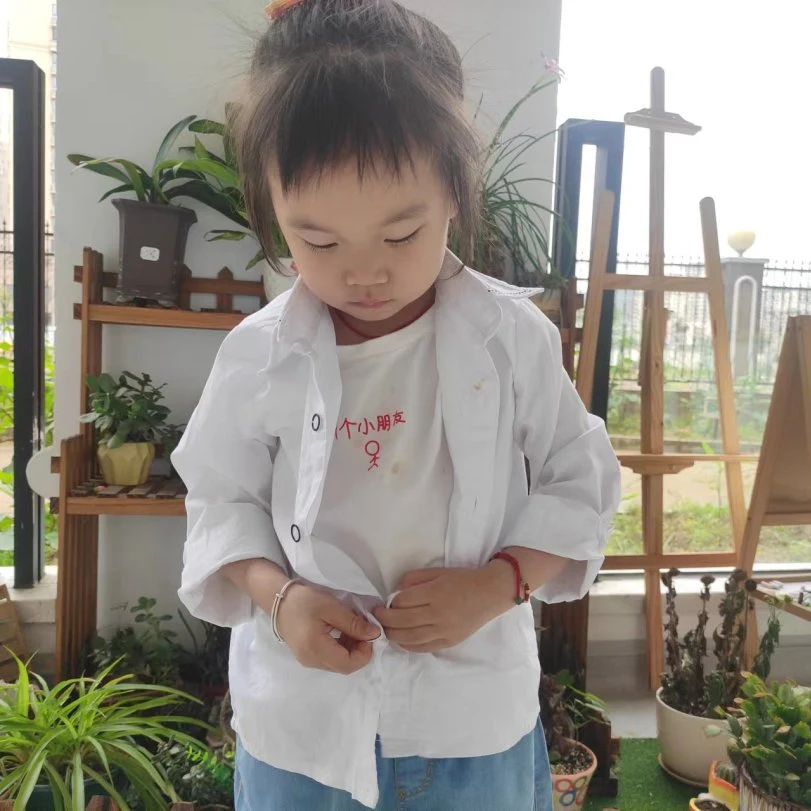
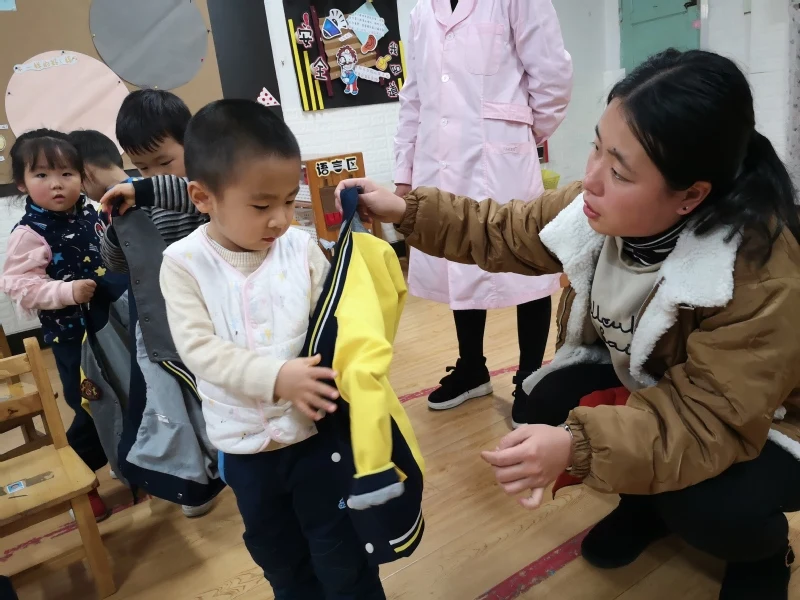
成人蹲在孩子身边,陪孩子练习穿外套。

经典表现Common signs

康葆之家的多学科支持方式K&B Home multidisciplinary support

从孩子每天要完成的动作与生活任务出发,明确动作能力、任务难度和环境支持。The team observes everyday tasks to see how the child moves, which steps are difficult and what the surroundings can offer.

选择专业或协作团队,查看支持内容Select a team member to read about their role
动作与自理困难Motor & self-care动作与自理Movement and self-care

点选成员可查看职责。虚线表示按需参与。Select a member to explore their role. Dashed lines show support provided as needed.

作业治疗Occupational Therapy

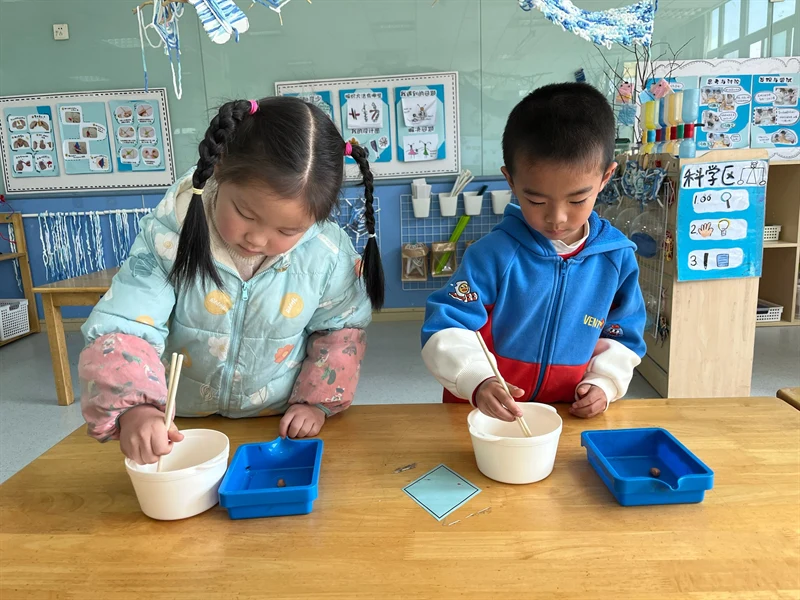
穿衣、进食、精细动作、双手协调与日常自理。Dressing, feeding, fine motor skills, bilateral coordination and self-care.

物理治疗Physical Therapy

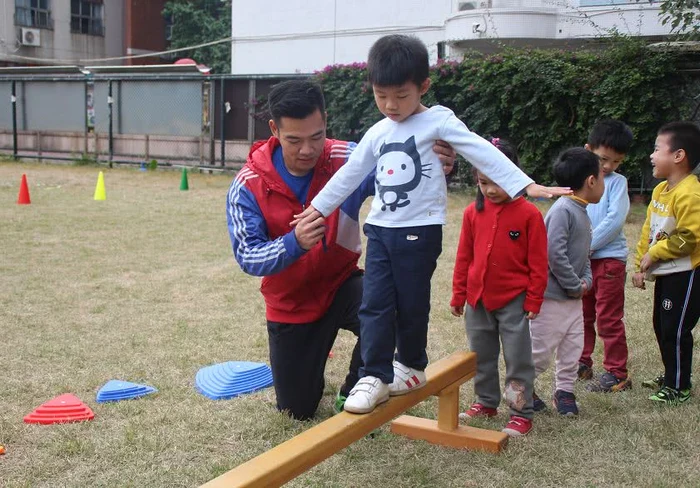
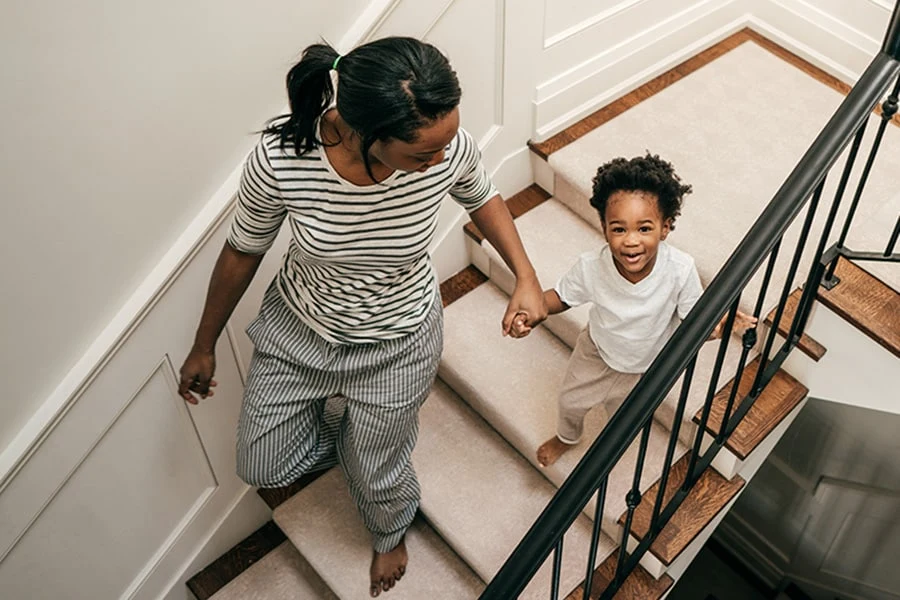
姿势控制、平衡、行走、上下台阶与大运动能力。Postural control, balance, walking, stairs and gross motor skills.

行为与学习(按需)Behavior & Learning (as needed)

任务步骤教学、独立完成与日常技能泛化。Task-step teaching, independence and generalization of daily skills.

专家督导Specialist supervision

整合评估信息、确定目标、复核教学记录并调整支持。Bring assessment information together, set goals, review teaching records and adjust support.

家庭与学校协作Family and school partnership

家庭与学校:在熟悉衣物、餐具和活动环境中练习,并记录独立完成的步骤与所需协助。Family and school: practise with familiar clothing, utensils and activity settings, recording independent steps and the assistance needed.

中心已开展 ABA、ST、OT 和 PT。团队根据孩子的评估结果,与家长商定参与的专业和教学安排。The centre offers ABA, ST, OT and PT. The team and family use the assessment findings to agree on the disciplines involved and the teaching plan.

我们怎么教学How we teach

  1. 初步评估Assessment

    观察双手配合Observe both hands

  2. 制定个别化教育计划Individualized education plan

    独立扣一颗纽扣Fastening one button

  3. 教学与记录Teach and record

    记录独立步骤Record independent steps

  4. 督导调整Supervisor review

    调整纽扣大小Adapt button size

  5. 重新评估Reassessment

    换件衣服再试Try a different garment

根据复评更新个别化教育计划(IEP)Use reassessment to update the individualized education plan (IEP)

常见问题Common questions

动作问题都属于感统问题吗?Are all movement difficulties sensory integration problems?

不能这样概括。还需了解动作协调、力量耐力、视觉动作配合、任务要求及健康情况,再决定评估方向。No. Coordination, strength, stamina, visual–motor skills, task demands and health also need consideration before choosing an assessment direction.

OT和PT有什么不同?How do OT and PT differ?

OT更关注日常活动与操作参与,PT更关注姿势、移动和身体活动;遇到相关需要时可以协作。OT focuses more on participation in everyday tasks and hand activities. PT focuses more on posture, mobility and physical activity. They can work together when needs overlap.

换工具、改环境算不算进步?Can adapted tools or surroundings be useful progress?

合适工具和环境可以增加独立参与。目标是让生活任务更可完成,不要求所有孩子用完全相同的方法。Suitable tools and surroundings can support independence. The goal is meaningful participation, not identical methods for every child.

已经会走路,还需要 PT 吗?Can a child who walks still need PT?

还可能需要了解平衡、协调、姿势、耐力和想参与的运动。是否需要支持,取决于具体活动与身体情况。Balance, coordination, posture, stamina and desired activities may still need attention. Support depends on actual needs.

在中心做得好,家里为什么不同?Why can performance differ at home?

椅子高度、材料、任务步骤和成人帮助可能不同。把真实活动的信息带给团队,有助于调整练习。Seating, materials, steps and adult assistance may differ. Share the real activity so practice can be adjusted.
家长观察工具Family observation tool

一件自理小事,孩子哪一步已经能自己做?Which step of a self-care task can the child already do?

生活自理步骤观察表Everyday self-care steps

预约咨询Arrange a consultation

可以告诉我们孩子的年龄、最近遇到的一件事,以及家里最想先解决的问题。Tell us your child’s age, something that happened recently and the question you would most like to discuss.

康葆之家K&B Home